Signing up: the actual gates between wanting to bet and placing a wager
A bettor who wants to place a first wager online moves through a fixed sequence, and skipping a step is why an app suddenly refuses to load.
- Confirm the state has legalised online sports betting. Coverage varies by state, and a search result advertising a "$200 welcome bonus" may not apply where the reader actually sits.
- If it's legal, only state-licensed operators will show up in app stores or load past a geolocation check, which confirms the device's physical location at the moment of registration and again at bet placement.
- Complete registration, which includes identity and age verification — name, address, date of birth and the last four of a Social Security number are typical asks, checked against public records.
- Deposit through an accepted method (bank transfer, debit card, PayPal, or an online banking rail like Trustly) and the welcome offer is applied, usually automatically, at signup or on first deposit.
The reason an app "doesn't work" on a phone that worked fine yesterday is almost always step 2 — a border crossing, a VPN, or a building with weak GPS reception triggers the location check, not a broken account.
Two similar-looking $200 offers are rarely worth the same amount
The headline number is the least useful part of a sportsbook promo. What decides whether $200 in advertised value becomes $200 in usable money is the fine print underneath it, and that fine print differs by book even when the top-line figure matches.
Three terms do the real work:
- Rollover/playthrough — how many times the bonus (or the first deposit) must be wagered before it converts to withdrawable funds. A $200 bonus with a 5x playthrough on a -110 line requires $1,000 in wagering, and the vig on those wagers eats into the return before it's ever cashed out.
- Bonus bets vs. cash — most "bonus" money is issued as bonus bets, not cash. A winning bonus bet typically pays out the profit only, not the stake, which is a materially smaller return than the same wager made with real money.
- Expiry window — bonus bets and site credit usually expire within days, and an offer never converted before expiry is simply gone.
A reader comparing two $200 offers should ask for the rollover multiple, the contribution rate by bet type, and whether winnings post as cash or as more bonus bets — not which number is printed larger on the landing page. The better long-run account is often the one with the smaller headline offer and the tighter, more transparent terms, because the promo is a one-time event and the pricing underneath it is what the bettor lives with on every bet after.
Props and live betting reward different things than the signup bonus does
A bettor whose action is mostly player props and in-game live markets is optimizing for something a welcome bonus never touches: market depth and app responsiveness. These markets move fast — odds on a live NFL drive or an in-progress NBA quarter can suspend and re-post several times a minute — and a slow app or a book with thin market coverage on props will cost more in missed or stale lines than any bonus recovers.
Signs the app is degrading a live bettor's results:
- Frequent "odds have changed" pop-ups that force re-confirmation after a line has already moved against the bettor
- Markets suspended for long stretches during in-game action with no re-open before the play resolves
- A shallow prop list on secondary sports or lower-profile games compared to a competitor's board
For this bet type, weight app stability and the breadth of the props/live board above the size of any signup credit — the promo is spent once, the app's behavior is spent on every single wager afterward.
When an offer follows you outside your state, that's the warning sign
A search result that lets someone register and deposit from a state where the operator isn't licensed is not a bonus opportunity — it's a sign the site is operating outside state oversight. Legal, state-licensed sportsbooks enforce geolocation and refuse registration outside their approved footprint by design; a site that doesn't do this is functioning as an offshore book regardless of how it markets itself.
That distinction matters practically, not just legally:
- No state licence means no state-mandated responsible-gambling tools — self-exclusion lists, deposit limits, mandatory problem-gambling helpline disclosures — and no regulator to appeal to if a payout is delayed or denied.
- Deposits and withdrawals on an unlicensed site carry no chargeback protection tied to a gaming authority; a dispute is resolved entirely on the operator's own terms, if at all.
- Advertising that ignores state lines is itself a signal, since licensed operators are contractually bound to geoblock ineligible states.
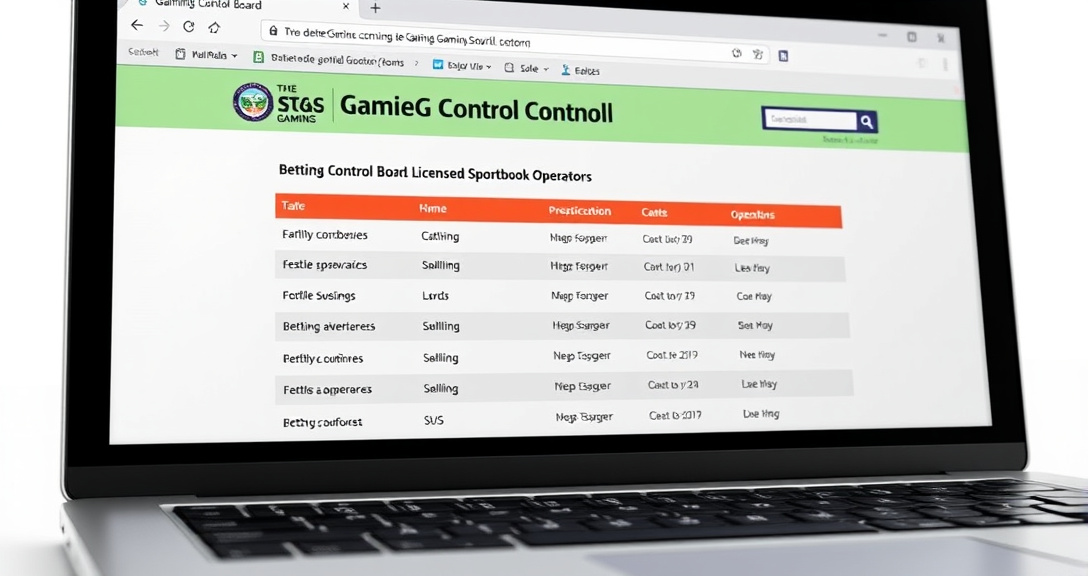
The practical check is simple: look up the operator by name on the relevant state gaming control board's licensee list before depositing anything. If the brand doesn't appear on the state's own list, no bonus term makes up for the absence of that oversight.
Sports betting apps are where these terms actually get tested
The mobile app, not the desktop site, is where most bettors experience registration, geolocation and live-market speed in practice, and it's the format worth judging directly rather than by marketing copy. Independent betting-site roundups tend to compare operators on this basis — app stability, market breadth, and payout speed — because those are the things that hold up after the first bet is placed, unlike a one-time signup credit (CBS Sports).
Odds and lines aggregators built for bettors, rather than for signup conversion, are a useful reality check against an app's own posted numbers before placing a wager (SportsLine).
DraftKings: what the $200-style offer actually resolves to
DraftKings is one of the two most widely used sportsbook brands in the US market, and its welcome offers are typically structured around bonus bets released after qualifying wagers rather than a lump cash credit. The answer to "do you really get $200 from DraftKings" depends entirely on the playthrough and bonus-bet-versus-cash structure in effect at signup — the number in the ad is the ceiling, not the guaranteed payout, and it's realized in bonus bets that carry their own expiry and payout rules rather than as immediately withdrawable cash.
A reader deciding between DraftKings and another book should read the current promo terms directly on the operator's own offer page rather than the ad copy, since bonus structures change and the only authoritative version is the one live at the moment of registration.
FanDuel: large wins and what changes at high payout thresholds
FanDuel is the other brand cited across nearly every sportsbook comparison, and it operates under the same state-licensing and KYC framework described above: registration, identity verification and geolocation apply before any wager settles. On the "what happens if you win over $100,000" question, the mechanics are standard for regulated US operators broadly — federal tax reporting thresholds apply to large gambling winnings, and a licensed operator issues the relevant tax form and may withhold a portion before payout, separate from any state-level rules on redemption timing (Online gambling overview).
Large payouts are also where withdrawal method matters most: a bank transfer or Play+ card payout of a six-figure sum can take materially longer to clear than a $50 cashout, and that processing window is set by the operator's payment rail, not by the size of the win itself.
Before depositing anywhere on the strength of a welcome number, pull up the state's own licensee list, read the operator's current bonus terms in full, and decide the account on rollover and market quality rather than on the headline figure.